Service monitoring
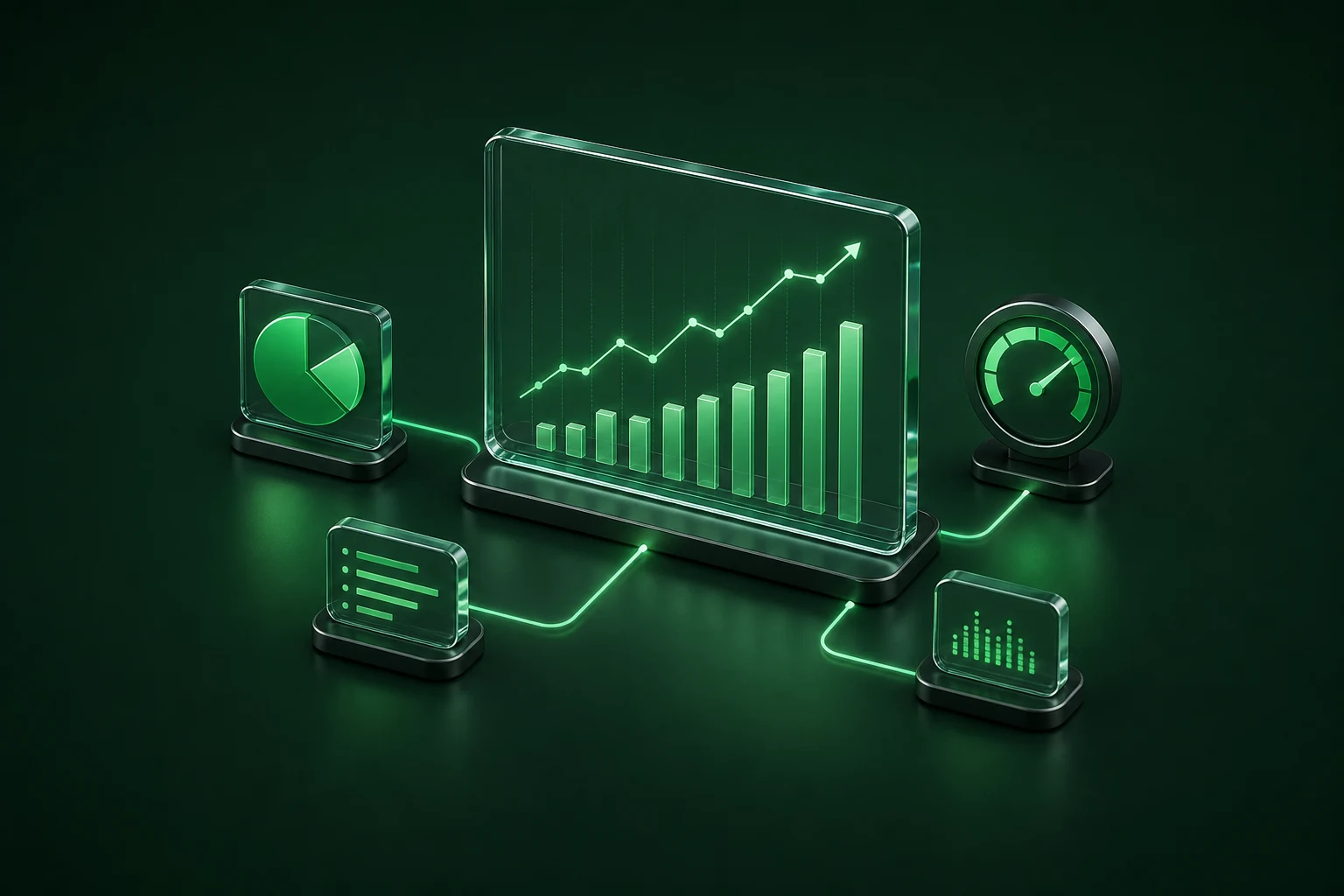
Observe pipelines, schedules, latency, resources, and critical service indicators.
Source systems, data, and business needs keep changing. Operations require observable services, clear ownership, and a disciplined improvement process.
Assess your data operating modelSlow pipelines, incorrect data, and untracked source changes erode user trust. Operations must observe both technical health and data quality before users report a problem.
Observe pipelines, schedules, latency, resources, and critical service indicators.
Triage, recover, trace causes, and prevent recurrence through verified changes.
Track rules, exceptions, quality trends, and resolution with data owners.
Review performance, cost, new demand, and controlled platform changes.
Define services, indicators, thresholds, and responsibility.
Review technical health and data quality on an agreed cadence.
Restore service, record root cause, and update operational runbooks.
Prioritize optimization and change using observed impact.
Share your goals, current environment, and priority scope to prepare for a conversation with ICS.